Research
Crop Environment Research Division


 We are developing integrated management technologies for stable food production, such as prediction of major pests and diseases, rapid monitoring, precise diagnosis, and effective control. We are also developing technologies to improve the production environment to prevent yield loss in food crops. [cite: 197, 198]
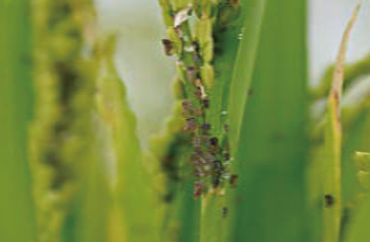
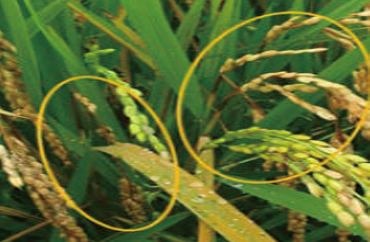
We are developing integrated management technologies for stable food production, such as prediction of major pests and diseases, rapid monitoring, precise diagnosis, and effective control. We are also developing technologies to improve the production environment to prevent yield loss in food crops. [cite: 197, 198] - Development of a prediction system for brown planthopper invasion routes and rapid assay technology for pesticide response [cite: 199]
- Providing occurrence information through prediction of domestic invasion routes of brown planthoppers and identification of planthopper species based on molecular diagnostics [cite: 200]
- Providing information through an invasion prediction map service linked with NCPMS
- Checking for pesticide resistance acquisition and providing information through rapid and simple diagnostic tests for pesticide response
- Rapid diagnosis of seven insecticides using the 'vial coating method'
- Providing occurrence information through prediction of domestic invasion routes of brown planthoppers and identification of planthopper species based on molecular diagnostics [cite: 200]
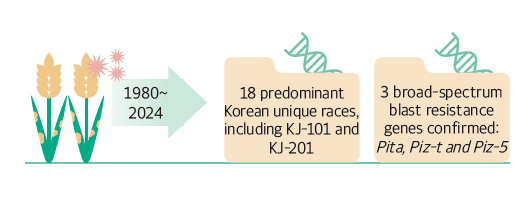
- Tracing the 40-year race transition of rice blast fungus and classifying Its major pathogenic types [cite: 203]
- Investigating the race diversity and identifying pathogenic characteristics of rice blast fungus collected between 1980 and 2024
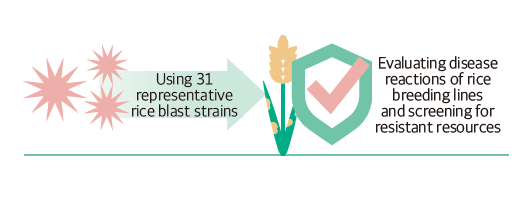
- Classification of pathogenic types of rice blast fungus based on resistance genes and selection of 31 representative strains
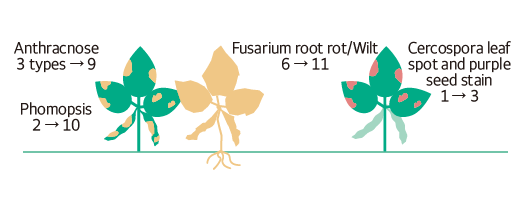
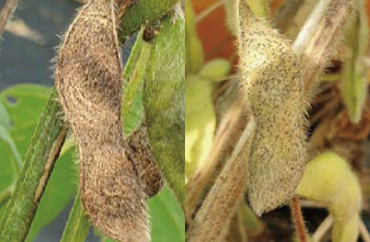
- Elucidation of the diversity of soybean fungal diseases and development of cultivar- and pesticide-based control strategies
- Elucidation of changes in fungal species diversity and identification of dominant species of anthracnose, Phomopsis and Fusarium root rot/wilt pathogens
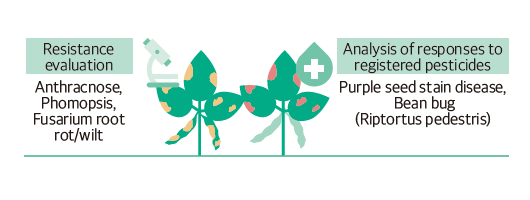
- Establishment of resistance-screening standards for anthracnose, Phomopsis, and Fusarium root rot/wilt, and evaluation of registered pesticide efficacy and response in purple seed stain and the bean bug
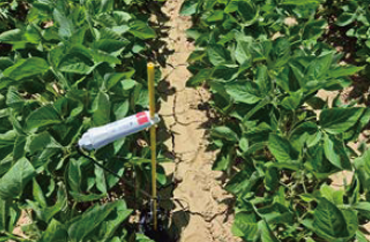
- Field trials of comprehensive soybean management technology to reduce extreme weather damage
- Field demonstration of precision management technologies to mitigate yield-reducing factors in soybean
- Nutrient management (sulfur, silica, amino acids) and pest management at growth stages: 4-leaf, 6-leaf, flowering
- Prevention of waterlogging and improvement of soil aeration through drainage channels, ridge cultivation, and row spacing adjustment
- Field demonstration of precision management technologies to mitigate yield-reducing factors in soybean
- Development of soil fertility and nutrient circulation technologies for improving food crop production environment
- Evaluation of changes in paddy field utilization patterns in the Honam region, including rice-soybean continuous cropping and rotation
- Long-term soil environment monitoring, soil fertility, and crop productivity assessment
- Evaluation of changes in paddy field utilization patterns in the Honam region, including rice-soybean continuous cropping and rotation